Cytology of urine: Specimen collection

Specimen collection technique: Voided urine Ileal conduit urine Catheter urine Bladder washing Upper urinary tract brush cytology Voided urine It is the most common sample type Voided urine undergoes degeneration very quickly hence preservative are used to reduce cellular degeneration and stopping bacterial growth. Voided urine should be obtained 3 …
Read more

Chromosome nomenclature and G banding

Arbitrarily, the terms karyogram, karyotype and ideogram have often been used. The term karyogram should be applied to a systematic sequence of chromosomes prepared either by drawing, digitizing, or extending photography, indicating that the chromosomes of a single cell will describe an individual’s or even a species’ chromosomes. To identify …

Read more

Fundamentals of Cytogenetic Techniques

Cytogenetics is the study of chromosome morphology, structure, pathology, function, and behavior. Chromosomes are studied by cytogenetic techniques and are best studied at mitotic or meiotic metaphase, although some studies, such as fluorescence in situ hybridization (FISH) methods, may utilize interphase cells. Once dividing cells are obtained, mitotic arresting agents …

Read more

Common Genetic Disorders

Genetic conditions are disorders caused by mutations in one or more genes or by abnormalities in chromosomes. In contrast, congenital disorders are not always genetic in origin. They may result from complications during embryonic or fetal development or from issues that occur during the birth process. An example of a …

Read more

Enterobius vermicularis: Laboratory Diagnosis

Due to its long-pointed tail, which resembles a straight pin in the adult worm, Enterobius vermicularis is called a pinworm. It is also known as ‘Seatworm’. It was originally called Oxyuris vermicularis, discovered by Linnaeus in 1758, and the condition was for several years referred to as oxyuriasis. In ancient …

Read more

D-Dimer

During hemostasis, coagulation system development of fibrin clots as a reaction to vascular injury is regulated by the fibrinolytic system breakup of the clot. D- Dimers are one of several fragments formed when plasmin, an enzyme that is activated by the fibrinolytic pathway, cleaves fibrin to break down clots. It …

Read more

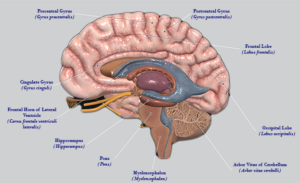
Cerebrospinal fluid (CSF)

The cerebrospinal fluid (CSF) was first identified by Cotugno in 1764, which is a major body fluid. CSF provides a systemic mechanism for providing nutrients to the nervous tissue, eliminating metabolic waste and building a structural shield against damage to protect the brain and spinal cord. The meninges cover the …

Read more

How does magnetic bead DNA extraction work?

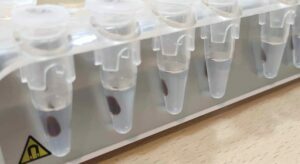
Separating nucleic acid is an exceedingly essential tool for molecular biology. Until modern technology could be used, nucleic acid separation was a time-consuming and work-intensive process based on multiple extraction and centrifugation steps, often constrained by small yields and low purity of separation products, and not suitable for automation and …

Read more

Interpreting Real-Time PCR Amplification Plot

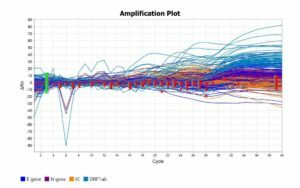
Quantitative real-time PCR (qPCR) has become a new normal in molecular biology for evaluating the gene expression. This technique allows for sensitive and specific detection of mRNA levels, forming the basis of transcriptomic studies. However, because RNA is dynamic and transient, especially when compared to the more stable DNA, optimizing …

Read more

Triple Sugar Iron Agar

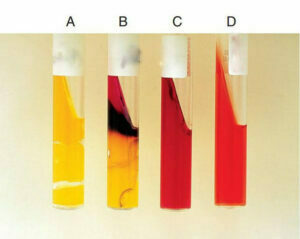
Triple Sugar Iron (TSI) Agar and iron Agar (KIA) from Kligler are useful in the presumptive identification of gram-negative enteric bacteria, especially in the screening for intestinal pathogens. The formulae for TSI agar and KIA are identical except that in addition to glucose and lactose, TSI agar contains sucrose. TSI …

Read more